Preserving a flower means using a method to slow down fading, moisture loss, petal collapse, and natural decay. Fresh flowers are beautiful because they are delicate, but that also means they usually have a short display life. With the right preservation method, a flower can keep its shape, color, and emotional value for much longer.
People preserve flowers for many reasons. Some want to keep wedding bouquets, memorial flowers, birthday roses, Valentine’s Day gifts, or flowers from a special event. Others preserve flowers for crafts, frames, home decoration, or product displays.
Different flowers need different preservation methods. A thick rose does not dry the same way as baby’s breath, lavender, hydrangea, or a small wildflower. The flower’s moisture level, petal thickness, stem strength, and color all affect the result.
Common preservation methods include air drying, pressing, silica gel drying, glycerin treatment, resin casting, and freeze drying. Each method creates a different look. Air drying gives a natural vintage appearance. Pressing makes flowers flat for frames or cards. Silica gel can better keep the flower shape. Resin casting turns flowers into decorative objects.
The best choice depends on whether you want a three-dimensional flower, a flat artwork, or a long-term keepsake.
Air drying is one of the simplest methods. Remove extra leaves, tie the stems in small bundles, and hang them upside down in a dry, dark, ventilated place.
Darkness helps reduce color fading. Good airflow reduces mold. The flowers should not be crowded too tightly, because moisture trapped between petals can damage the shape.
This method works well for lavender, roses, baby’s breath, strawflowers, statice, and many small blooms. It usually creates a slightly muted color, which can look natural and decorative.
Pressed flowers are suitable for bookmarks, greeting cards, framed art, journals, labels, and craft projects. Choose flowers that are not too thick, then place them between absorbent paper and press them under weight or inside a flower press.
Thin flowers and petals press more evenly than large full blooms. Violets, pansies, daisies, small leaves, and single petals are often easier to press.
Pressed flowers should be kept away from direct sunlight and moisture. They may still fade over time, but careful storage helps them remain attractive longer.
Silica gel drying is useful when the goal is to preserve flower shape more clearly. The flower is placed in a container and covered gently with silica gel crystals.
This method removes moisture faster than air drying and can help petals keep a fuller form. It is often used for roses, peonies, dahlias, and special bouquet flowers.
The process requires patience and careful handling. Petals can become fragile after drying, so the flower should be removed slowly.
Do not preserve flowers when they are already damaged, wet, bruised, or beginning to rot. The final result will usually look poor.
Avoid direct sunlight during drying. Strong sun can fade petals quickly. Also avoid humid rooms, sealed plastic bags, or heavy handling before the flower is fully dry.
If the flower has emotional value, test the method on a similar flower first before treating the important one.
Preserved flowers are real flowers that have been treated to last longer. Artificial flowers are made from materials such as fabric, plastic, foam, wire, and other decorative components.
Preserved flowers keep the memory of the original bloom, but they are still fragile. Artificial flowers are more practical for repeat commercial displays, retail windows, hotels, restaurants, event staging, seasonal decoration, and long-term home décor.
Our artificial flowers and artificial flower bouquet products are designed for buyers who need long-lasting floral decoration without watering, wilting, or frequent replacement.
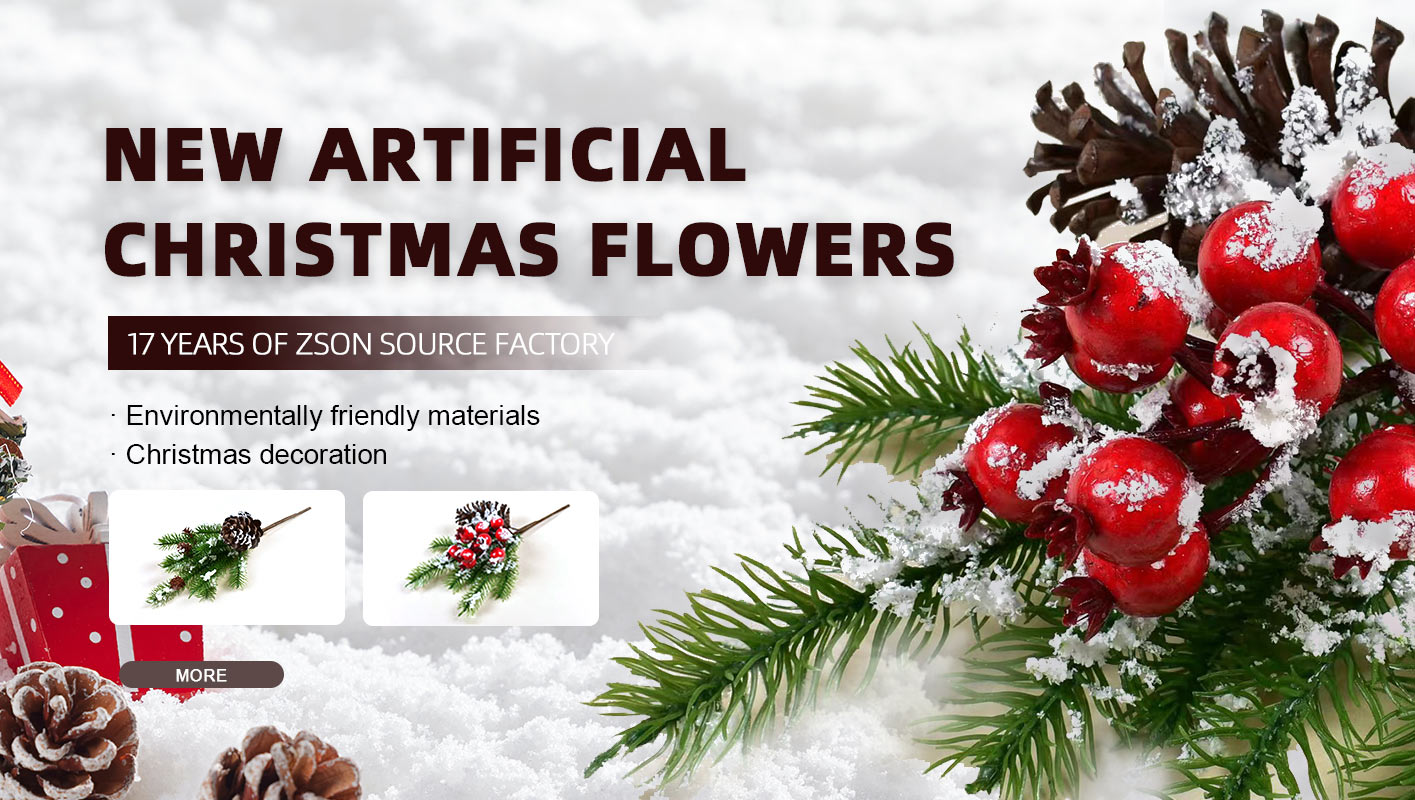
We produce faux flower stems, bouquets, wreaths, Berry Twigs, Christmas Decorations, artificial plants, and seasonal floral products. For wholesale and project buyers, product details can be adjusted according to flower form, petal color, stem length, leaf arrangement, material combination, individual packaging, retail label, and bulk-order packing.
This is useful when buyers want the visual effect of preserved flowers but need more stable quality, easier transport, and repeatable supply for commercial use.
To preserve a flower, choose a fresh bloom, select the right method, keep it away from moisture and direct sunlight, and handle it gently after drying.
Air drying is simple. Pressing is good for flat crafts. Silica gel is better for keeping shape. For long-term commercial displays, artificial flowers are usually more stable and easier to manage.
Send us your target flower style, color direction, stem length, bouquet structure, packaging requirement, retail season, and order quantity. Our team can recommend suitable artificial floral products for home décor, retail display, events, or seasonal decoration.
Previous: What Is February Birth Flower?