A berry is a type of fruit with specific botanical characteristics, while the term fruit describes a broader category of plant structures developed from flowers. In floral decoration, berries usually refer to small decorative fruit-like elements used for visual effects.
The words “berry” and “fruit” are often used differently in everyday conversations.
In daily life, people usually consider berries as:
Small colorful fruits
Decorative natural elements
Seasonal plants
However, from a botanical perspective, the classification is more specific.
For the floral industry, the difference is also important because decorative berries are selected mainly based on:
Appearance
Color
Shape
Application effect
Artificial berries used in floral arrangements are designed to recreate the visual characteristics of natural berries while providing longer-lasting decoration.
A fruit is a plant structure that develops from a flower after pollination.
Its main biological function is to:
Protect seeds
Support plant reproduction
Fruits can have many forms, including:
Large fruits
Small fruits
Dry fruits
Fleshy fruits
Therefore, all berries are fruits, but not all fruits are berries.
A berry is a specific type of fruit with particular botanical features.
Generally, berries develop from:
A single ovary
A single flower
A fleshy fruit structure
Examples of botanical berries include:
Grapes
Tomatoes
Blueberries
However, some fruits commonly called berries in daily language may not technically belong to this category.
In the artificial flower industry, decorative berries refer to small fruit-like elements used for:
Floral arrangements
Wreath designs
Home decoration
Event styling
Artificial berries are valued because they provide:
Stable color
Long-lasting appearance
Easy maintenance
Flexible application
Common artificial berry products include:
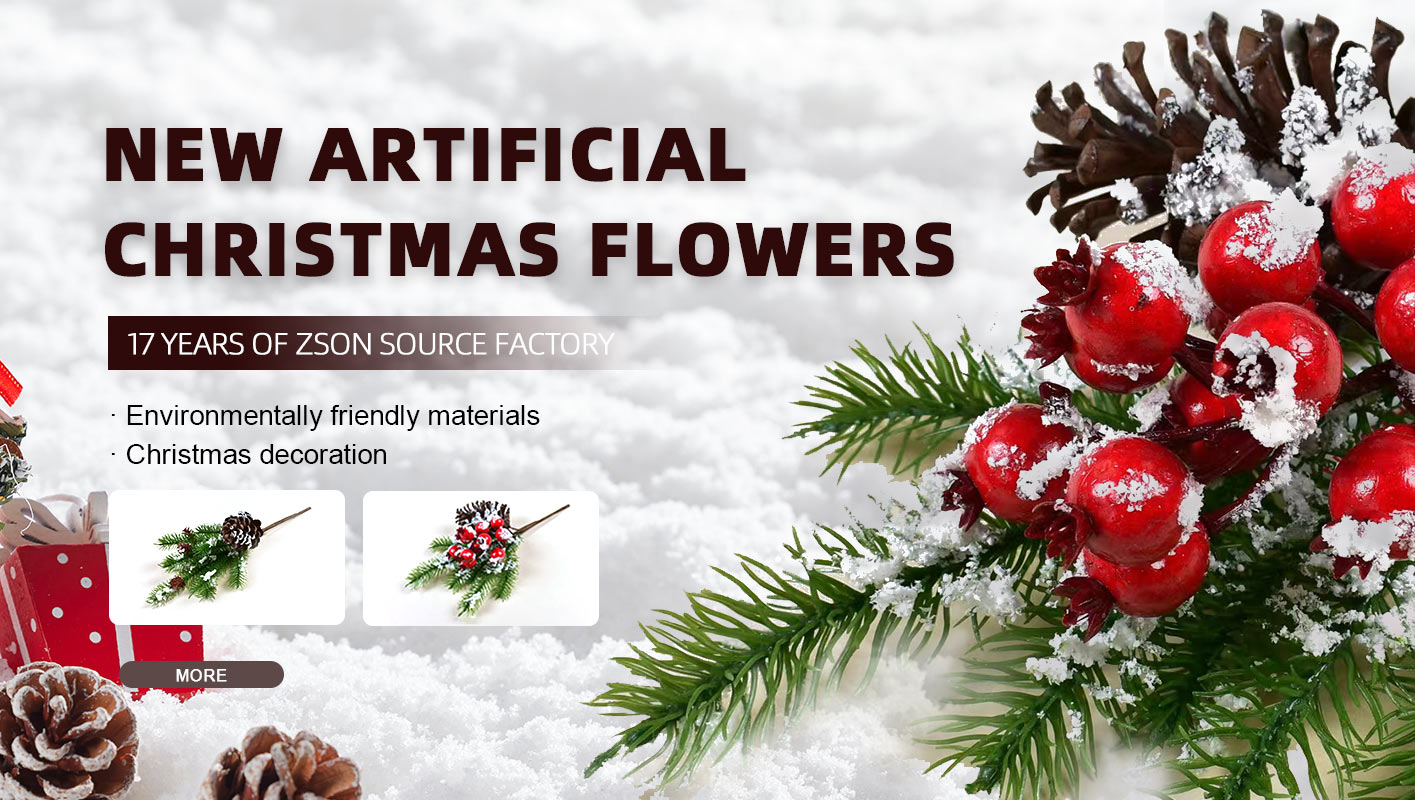
Red berries
Hypericum berries
Snow berries
seasonal decorative berries
| Comparison | Natural Berries | Artificial Berries |
|---|---|---|
| Lifespan | Short | Long-lasting |
| Maintenance | Requires care | Easy maintenance |
| Color Stability | Changes over time | Stable appearance |
| Application | Limited by season | Available year-round |
| Decoration Use | Fresh arrangements | Long-term floral designs |
Artificial berries have become popular because they solve several limitations of natural materials.
Natural berries are often affected by:
Growing seasons
Weather conditions
Supply changes
Artificial berries allow designers and retailers to create seasonal decorations throughout the year.
For commercial decoration projects, consistency is important.
Manufactured artificial berries provide:
Similar sizes
Stable colors
Uniform shapes
This helps wholesalers and retailers maintain product consistency.
Artificial berries can be produced in different:
Colors
Sizes
Materials
Styles
As a professional artificial flower manufacturer, production experience shows that quality depends on multiple processes.
Manufacturers select materials according to:
Appearance requirements
Durability needs
Product application
Common materials include:
Fabric
Plastic
Foam
Wire structures
Color consistency is important for decorative products.
Manufacturing processes focus on:
Color matching
Surface treatment
Batch consistency
Each product requires checking for:
Shape accuracy
Secure attachment
Overall appearance
Professional buyers should evaluate:
Consider:
Target market
Decoration style
Seasonal demand
A reliable supplier should provide:
Stable production
Quality control
Customization support
OEM customers may require:
Custom colors
Different sizes
Packaging solutions
Explore our Artificial Berries collection for different floral decoration applications.
Understanding the difference between natural fruits and decorative berries helps buyers select suitable floral products.
We provide artificial berry and floral decoration solutions for wholesalers, retailers, and OEM customers.
For customized designs, bulk orders, or product development requirements, submit your details through our Request A Quote page.