
Color consistency is one of the first things buyers notice when faux florals arrive and are displayed together. A single shade shift can break a store planogram, make a wedding installation look uneven, or cause rework on a commercial décor project. For bulk orders, color control is not one step. It is a chain of controlled decisions from sampling to production, curing, packing, and shipping.
At ZSON, we manufacture a wide range of artificial flowers for wholesale and project buyers. To keep every carton aligned to the approved shade, we run a repeatable color workflow that connects materials, pigments, process settings, inspections, and batch traceability.
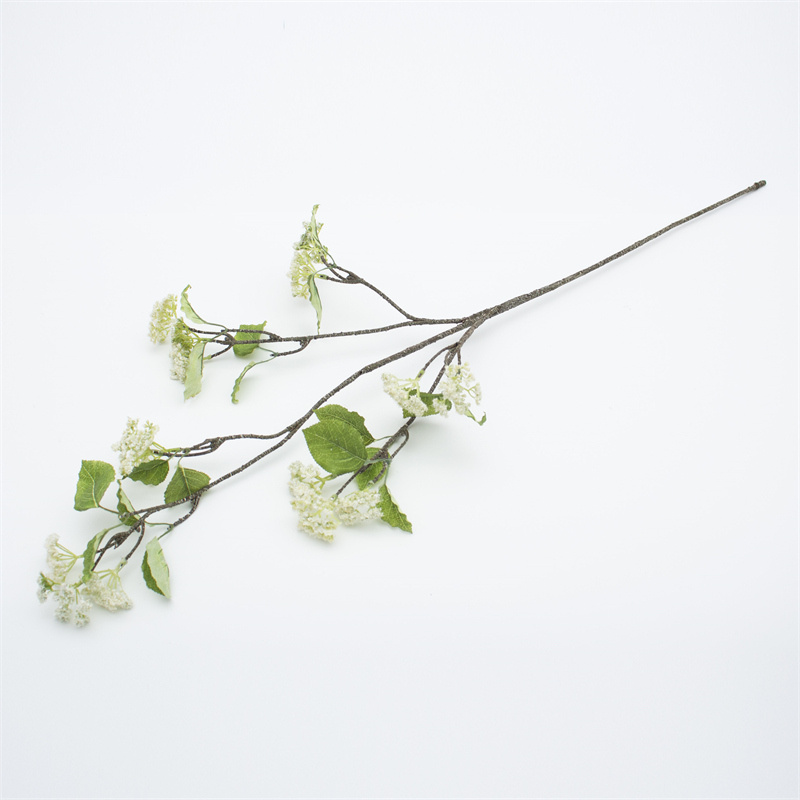
Color variation usually comes from a small change that multiplies across volume. Common causes include:
Material absorption differences
Faux florals may include iron wire stems, plastics, foam components, silk, polyester-based plastics, and shantung-like fabrics. Each surface absorbs and reflects color differently, so the same pigment formula can look different if the substrate changes.
Hand coloring variables
Manual coloring can be precise, but only when the paint viscosity, mixing time, tool loading, drying conditions, and operator method are standardized.
Curing and environment
Temperature and curing time affect how pigments settle and how gloss and undertone appear after drying.
Packing pressure and friction
Tight packing, rubbing, and long-distance transport can create scuffing that looks like a color issue when displayed under strong retail lighting.
A bulk order stays consistent only when the standard is clear and measurable.
Approved sample retention
We keep the approved reference sample and use it as the visual standard through production. This prevents gradual drift when multiple rounds of confirmation happen.
Color tolerance agreement
For projects that require strict consistency, we align acceptance around practical tolerances, including differences caused by lighting type. Retail LED lighting, hotel warm lighting, and daylight all show color differently, so we confirm the viewing condition for inspection.
Material confirmation at sampling stage
We confirm the exact surface composition and texture that will be used in production, because foam, silk, and polyester fabrics can shift brightness and saturation even with identical pigment.
Color stability starts in the mixing step. In bulk production, small deviations in ratio and mixing time create visible differences across cartons.
ZSON supports a consistent preparation process using controlled mixing and repeatable batch records:
Fixed pigment ratios per color code
Each approved color has a stored formula that is followed for every batch, with batch labeling for traceability.
Controlled mixing time and viscosity
Mixing time and paint viscosity are kept consistent so that pigment dispersion stays uniform, which reduces shading differences between early and late production hours.
Batch-to-batch verification
When a new batch of coloring agent is prepared, we check it against the reference before it enters the line.
To prevent unexpected shade drift, the production steps must run in a stable sequence with fixed controls.
ZSON’s standard workflow includes:
Embryo bottom polishing
Surface processing
Manual coloring
Assembly of accessories
Packaging in boxes
This sequence matters because surface preparation and polishing affect how the color sits on the material. If the surface texture changes, the same color can appear darker or lighter.
Many buyers see variation only after products fully dry. That is why curing control is treated as part of color control.
Stable curing environment
A high-temperature independent baking room supports consistent drying conditions, helping the final shade match the approved sample after full cure.
Defined curing time checkpoints
We verify shade after curing, not only immediately after coloring, because undertone and depth can shift once fully dried.
A single final inspection is not enough for large-volume orders. We apply layered checks that catch drift early.
Compare current production pieces to the approved reference at fixed intervals
Confirm coverage uniformity, especially on edges and textured areas
Verify that assembled components do not introduce mixed shade appearance
Confirm color consistency across pieces that will be displayed together in a set
Check for rub marks that could look like color variation under lighting
Confirm cartons are packed to reduce friction and compression damage
Use protective packing strategy suitable for long-distance transport and storage
| Control stage | What we lock | What it prevents | Buyer benefit |
|---|---|---|---|
| Sampling approval | Reference shade and material | Standard confusion | Faster confirmation and fewer disputes |
| Pigment mixing | Ratio, viscosity, mixing time | Batch shading drift | Stable color across cartons |
| Surface preparation | Consistent texture readiness | Uneven absorption | Uniform tone on the same model |
| Manual coloring control | Method consistency and checkpoints | Operator variation | Predictable repeat results |
| Curing management | Drying condition and timing | Undertone shift after drying | Display-ready color stability |
| Packing protection | Friction and compression control | Scuffs that mimic shade issues | Cleaner appearance on arrival |
Even a perfect production run can look inconsistent if evaluation conditions are not aligned. These actions help buyers confirm accurately:
Inspect under the same lighting type used in the final display environment
Compare items only after they reach room temperature and fully settle after unpacking
Evaluate multiple pieces from different cartons, not only one top-layer piece
Keep the approved sample on-site for quick receiving checks
Bulk orders require more than producing the right shade once. They require repeating the same shade across time, staff, and shipment cycles. ZSON operates as a source factory with an established production team and structured process flow. For buyers who need stable color across wholesale and project deliveries, our manufacturing setup, equipment support, and production discipline help reduce risk while keeping output efficient.
If you are planning a bulk order and want shade stability across cartons, share your target color, material preference, and application scenario through our artificial flowers range so we can align the sample standard, production controls, and packing method from the start.
Color consistency in bulk faux flower orders depends on controlled materials, repeatable pigment preparation, stable process flow, curing management, and multi-stage inspections. When these steps are connected, bulk deliveries stay aligned to the approved shade, cartons look uniform on arrival, and projects move faster with fewer rechecks and replacements.