Winter decorating is often seen as a choice between festive holiday themes or bare minimalism. Faux flowers and greenery make it possible to create a warm, layered winter look that lasts from early December through the end of the season without the maintenance, shedding, or short lifespan of fresh stems. The goal is not to imitate summer arrangements, but to build winter-friendly compositions that feel calm, textural, and intentional in lower light and cooler color palettes.
This guide explains how to decorate with Artificial Flowers and greenery in winter using practical design principles, room-by-room placement ideas, and styling methods that keep arrangements looking natural. It also highlights what to look for when selecting faux botanicals for seasonal displays, including consistency, durability, and customization options for different décor styles. For product selection and seasonal varieties, refer to: artificial flowers
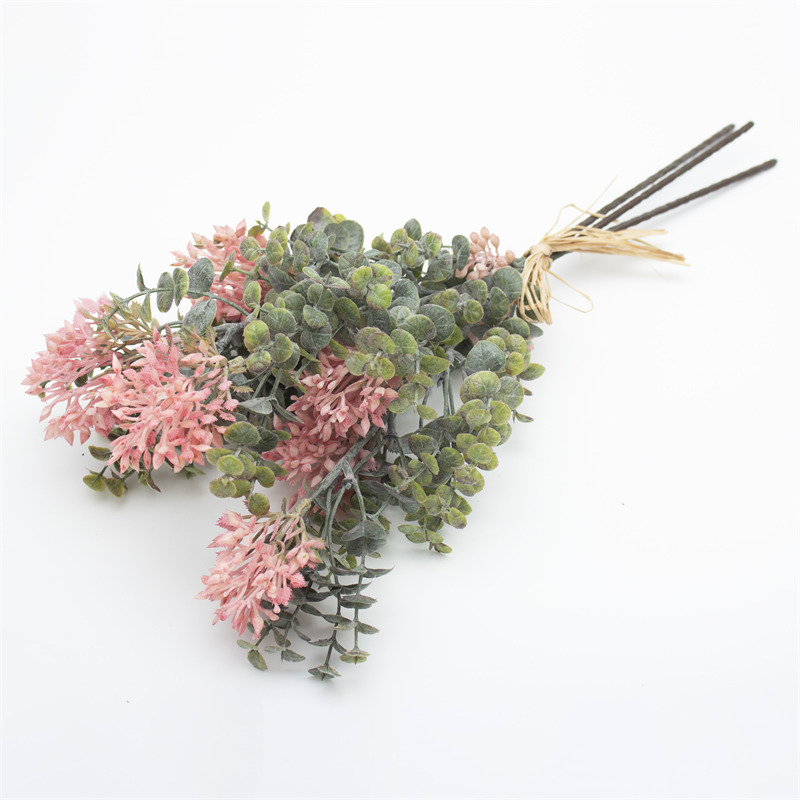
Winter décor looks best when it follows a clear style direction instead of mixing too many seasonal cues. A winter arrangement can feel festive, but it does not need to rely on holiday symbols to feel seasonal. The most successful winter styling usually leans on three visual elements: deeper greenery tones, subtle contrast, and tactile materials that look good under soft indoor lighting.
A clean modern winter look often uses monochrome greens with white accents and simple vessels. A cozy winter look uses warmer greens, muted reds, and layered textures such as knit, wood, and matte ceramics. A classic winter look uses richer contrast, such as evergreen plus burgundy, or deep green plus champagne-toned accents. Choosing one direction early helps the arrangement feel finished, especially when the rest of the home already has an established color scheme.
A simple way to decide is to look at the dominant finishes in the room. If the space is heavy in black metal, glass, and crisp white, a cooler winter palette will look cohesive. If the space has warm woods, beige textiles, and softer lighting, warmer winter accents will feel more natural.
Winter palettes work because they respect the season’s lower sunlight and calmer outdoor colors. Faux botanicals should support that mood rather than compete with it. Instead of bright spring tones, winter styling typically looks better with deeper greens and muted florals that read as intentional in a quieter season.
A practical palette approach is to pick one dominant green tone and one supporting floral tone, then repeat them throughout the room in small ways. This repetition is what makes a winter home feel coordinated rather than decorated in isolated corners.
Common winter combinations that stay relevant beyond holiday weeks:
Deep evergreen with ivory and soft taupe for a calm, neutral winter mood
Pine green with muted berry tones for a warm seasonal accent without looking overly festive
Cool eucalyptus green with white and silver-grey tones for a crisp, modern winter look
Olive green with dusty rose or clay tones for a soft, contemporary winter palette
When using faux flowers, the most natural effect usually comes from muted saturation. Highly vivid blooms can look out of place in winter unless the room itself is designed around bold color.
Winter arrangements often sit in areas where guests can view them up close, such as entry tables, dining tables, and sideboards. That makes material detail and finishing more important than in peak summer displays where bold color can hide imperfections. Faux greenery should have believable leaf shapes, layered tones, and stems that bend naturally for shaping.
Winter is also a season where texture matters more than variety. A small number of high-quality stems arranged with good spacing tends to look more realistic than a crowded bouquet of mixed shapes. The arrangement should show negative space so it feels airy rather than packed. This is especially important with evergreen-style stems, because dense clusters can look heavy and artificial.
For buyers and designers planning winter programs, product consistency matters. Seasonal displays often require repeating the same stem style across multiple arrangements. A manufacturer-oriented supply approach supports this by offering stable production, batch consistency, and customization of color or stem length to fit different vessel heights. ZSON’s artificial flower range supports seasonal styling needs with broad stem options and customization-friendly production for different décor directions. Reference products here: artificial flowers
A winter arrangement looks premium when it is built in layers rather than treated as a single bouquet. Layering creates depth, which is especially important in winter because the palette is often restrained. The arrangement should read as intentional from multiple angles, not only from the front.
A reliable structure is to build from base to focal point:
Start with a greenery base that sets the shape and establishes volume.
Add mid-layer stems with a different leaf texture or tone to create depth.
Add focal flowers sparingly, positioned slightly above the greenery.
Finish with small accent stems for movement and natural variation.
The vessel matters as much as the stems. Winter often looks best with matte ceramics, tinted glass, brushed metal, or dark-toned vases that make greenery feel richer. Clear vases can work, but they usually require cleaner stem finishing and thoughtful filler to avoid an unfinished look.
Shaping is the step that most improves realism. faux stems should be bent and angled so the arrangement has a natural asymmetry. Perfectly symmetrical spacing often reads as artificial. Winter arrangements especially benefit from a slightly irregular silhouette, like natural branches gathered indoors.
Winter décor works best when it supports how people move through the home. Faux flowers and greenery can be used as focal points, but they also work as smaller accents that connect spaces visually. The key is to scale the arrangement to the surface and to maintain open space for daily use.
The following placements are practical for winter styling because they create impact without disrupting routines:
| Area | Winter décor purpose | What works well |
|---|---|---|
| Entry console | First impression, seasonal tone | Medium vase with greenery base and one focal bloom tone |
| Dining table | Centerpiece without blocking sight lines | Low, elongated arrangement with layered greens and subtle accents |
| Kitchen counter | Softening hard surfaces | Small vase with eucalyptus-style greens and neutral florals |
| Living room sideboard | Visual anchor under artwork | Taller arrangement with branching stems and textured greens |
| Bathroom vanity | Small seasonal detail | Compact bundle in a narrow vessel, moisture-safe placement |
| Bedroom dresser | Calm winter mood | Minimal greenery with muted florals, paired with warm textiles |
A useful rule is to keep at least one winter arrangement in the entry or living zone and one smaller accent in a secondary area like a kitchen corner or bedroom. This creates continuity without making the home feel overly decorated.
Many winter displays feel dated because they lock into a single holiday week. Faux flowers and greenery make it easier to build a winter theme that lasts longer, simply by avoiding overly specific icons and focusing on seasonal textures.
A winter theme can be created through materials and form rather than symbols. For example, evergreen-style greens, eucalyptus tones, and branch-like silhouettes naturally signal winter. Pairing them with neutral florals or muted berry accents creates warmth without turning the arrangement into a holiday-only piece.
Simple winter theme ideas that stay usable all season:
Nordic winter: cool greens, white florals, matte ceramics, clean lines
Cozy winter cabin: warmer greens, soft berry accents, wood bowls, textured textiles
Modern winter: deep green, black or metallic vessels, minimal focal blooms
Soft winter neutral: ivory, taupe, sage, natural baskets, warm lighting
These themes also work well for commercial décor in lobbies, cafés, and display windows because they remain appropriate through the full winter period.
One advantage of faux winter botanicals is that they can look consistent for the entire season with minimal effort. The key is basic care that preserves surface finish and prevents dust from dulling color.
Routine maintenance that keeps winter stems looking clean:
Light dusting weekly with a soft brush or microfiber cloth, especially on greenery textures
Occasional spot cleaning with a slightly damp cloth for high-touch areas
Avoiding direct heat sources that can distort materials over time
Keeping arrangements away from constant steam exposure when possible
Storage matters because winter stems are often used again next year. Before storing, remove visible dust, then place stems in a box that supports their shape. If the arrangement is kept assembled, protect the silhouette with a larger container so the stems do not compress. If stems are stored individually, keeping similar styles together helps maintain consistency when rebuilding displays next season.
For retail and project buyers, long-term value depends on durability and repeatable quality. Consistent color, stable stem finishing, and reliable supply support multi-location winter programs and seasonal refreshes. ZSON supports these needs through a broad artificial flower range and manufacturer-oriented supply capabilities suitable for both seasonal collections and repeat orders. Explore options here: artificial flowers
Decorating with faux flowers and greenery in winter works because it builds warmth, texture, and seasonal atmosphere without the limitations of fresh stems. The strongest winter results come from a clear style direction, a restrained palette, layered arrangement structure, and room-by-room placement that supports daily living. When faux botanicals are selected for realistic texture and consistent quality, winter décor becomes easier to maintain, easier to refresh, and more reliable for long seasonal use.
For winter-ready stems, greenery options, and customizable artificial floral selections, refer to: artificial flowers