The most realistic faux flowers are the ones that do not try too hard to look perfect. Real flowers have small variations in shape, gentle color changes, soft movement in the stems, and a natural sense of fullness that feels unforced. Good faux flowers follow that same logic. They focus on proportion, texture, layering, and color balance instead of relying only on bright color or overly dense petals.
That is why realism in Artificial Flowers usually comes down to a few basic things. The petals should have a soft and believable shape. The stems should not feel too stiff or too thick. The overall bouquet should look balanced rather than heavy. When these details are done well, faux flowers can look fresh and decorative in a way that feels much closer to natural floral arrangements.
For many buyers, realistic faux flowers are not only about appearance. They are also about convenience. A well-made artificial bouquet keeps its color, shape, and decorative effect for a long time without watering or seasonal care. This makes it a practical option for homes, weddings, hotel decoration, restaurant tables, shop displays, and event styling.
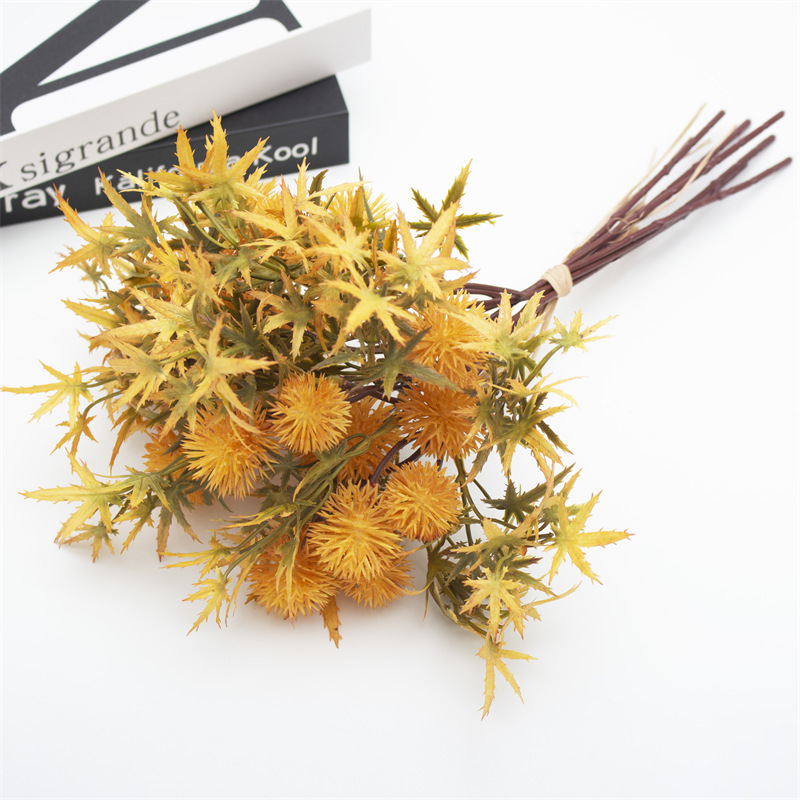
The first thing people notice is shape. Real flowers are never completely identical, so the most realistic faux flowers usually have a slightly varied form. The petals may open at different angles, and the branches may have a softer, less mechanical structure. This creates a more natural visual rhythm.
Color is equally important. Faux flowers look more convincing when the tones are not too flat. A realistic bouquet often uses gentle shading instead of a single strong color block. Even small changes in brightness can make the flowers feel more lifelike.
Material also matters. Artificial flowers made with balanced texture usually look better than flowers that are too glossy or too hard. A softer surface helps the bouquet catch light in a more natural way. When combined with flexible stems, the result feels closer to fresh-cut flowers.
Not all faux flowers are designed with the same goal. Some are made mainly for bright decorative effect, while others are made to create a more natural floral impression. The most realistic styles usually avoid exaggerated shapes and oversized details. Instead, they focus on proportion and arrangement.
Another difference is how the bouquet is assembled. A more realistic bouquet usually has better spacing between stems, flowers, and filler elements. This helps the arrangement breathe visually. If everything is packed too tightly, the bouquet may look artificial even when the materials are good.
Hand-finishing can also improve realism. A bouquet that combines handwork with machine production often looks more balanced because the final shape feels less rigid. This is especially useful in smaller flower forms, where detail and softness matter more.
In many decorative settings, small flowers often look more realistic than larger blooms. This is because delicate flowers naturally have a lighter structure and softer visual effect. When reproduced well, they can blend into a bouquet very naturally and avoid the heavy or overly dramatic appearance that some large faux flowers have.
Gypsophila is a good example. It has many small blooms and a naturally airy form, which makes it especially suitable for artificial bouquets. When the branch structure is balanced and the color feels soft, faux gypsophila can create a fresh and believable effect in both simple and layered arrangements.
This is one reason small floral bouquets are widely used in table decoration, home styling, wedding décor, and commercial displays. They add softness and color without making the arrangement feel too formal or too artificial.
Gypsophila works well as a faux flower because its beauty comes from lightness and texture rather than from one large focal bloom. In natural floral design, it is often used to add fullness, softness, and movement. These same qualities translate well into artificial bouquets.
A faux gypsophila bouquet can look realistic when the branches are arranged with enough space and when the flower heads are small and evenly distributed. The bouquet should feel airy instead of crowded. This creates the natural cloud-like effect that makes gypsophila so popular in decorative use.
Color choice also plays a role. Soft yellow gypsophila gives a warm and cheerful feeling while still staying gentle enough for everyday decoration. It can work in homes, weddings, hotels, restaurants, and shop displays without looking too strong or too seasonal.
Realistic faux flowers are especially useful in spaces where fresh flowers are difficult to maintain. In homes, they can brighten dining tables, shelves, bedrooms, and entry areas. In hotels and restaurants, they help keep decorative arrangements attractive without the need for constant replacement.
They are also valuable in events and weddings. A realistic faux bouquet keeps the same shape and color throughout setup, display, and transport. This makes planning easier and gives decorators more control over the final look.
Retail windows and commercial interiors also benefit from realistic artificial flowers. They stay neat over time, which is important when the display needs to hold its appearance for days or weeks instead of only a few hours.
The best way to choose realistic faux flowers is to look at the full arrangement rather than only one close-up detail. A bouquet may have attractive petals, but if the stem shape is awkward or the spacing is poor, the whole piece may still look artificial.
It helps to choose bouquets with a natural silhouette, flexible stems, and soft color transitions. Smaller flowers often work well because they create a more relaxed and believable decorative effect. Bouquets that are easy to style in a vase or mix with other stems are often more useful in real projects.
For project buyers, customization is another important point. Different colors and styles may be needed for different seasons, display themes, or market preferences. A bouquet that supports style or color adjustment gives more flexibility for decoration planning.
The most realistic faux flowers are not only beautiful to look at. They are also practical for long-term decorative use. They do not need water, sunlight, or trimming, and they keep a stable appearance in places where natural flowers may fade quickly.
This makes them suitable for people who want floral decoration with less maintenance. It also makes them attractive for commercial buyers who need repeatable visual quality across larger projects. A realistic faux bouquet can keep the same mood and color tone from one arrangement to the next, which helps create a more controlled decorative result.
The most realistic faux flowers are the ones with natural shape, soft color, balanced spacing, and believable texture. They do not look overly perfect or overly bright. Instead, they recreate the relaxed and layered feel of real flowers in a more lasting form. Small blooms such as gypsophila are often especially convincing because their airy structure translates well into artificial bouquets.
For decoration projects that need long-lasting floral beauty, realistic faux flowers are a practical and attractive solution. They work well in homes, weddings, hospitality settings, and retail displays, while keeping their form and color over time. If you are looking for realistic faux flower bouquets for seasonal décor, event styling, or everyday decoration, feel free to contact us. We can help you explore suitable bouquet styles, colors, and customization options for your project.
Previous: how to decorate a living room wall hangings
Next: Can You Get Fake Bushes?