Faux flowers and Artificial Flowers are broad terms for man-made floral decorations, while silk flowers usually refer to artificial flowers with fabric petals. The difference mainly relates to material description and market usage.
“Faux flower” is a general decorative term meaning a flower designed to imitate a real flower. It does not identify one specific material.
Faux flowers may be made from:
Polyester fabric
Silk-like textile
Plastic
Foam
Paper
Synthetic fibers
Mixed materials
The term is common in home décor, retail, interior design, event decoration, and seasonal product marketing.
Artificial flower is the broader product category. It includes flowers, stems, bouquets, wreaths, branches, berries, and other decorative floral products made from non-living materials.
Artificial flowers are designed to provide:
Stable appearance
Reusable decoration
Seasonal flexibility
Low maintenance
Consistent color
Easier transportation
Long-term display value
The term is commonly used by manufacturers, wholesalers, retailers, and commercial decoration buyers.
Silk flowers traditionally used silk fabric for petals and leaves. In modern production, many products marketed as silk flowers use polyester or other synthetic textiles with a silk-like appearance.
The name may describe the visual style rather than the exact fiber composition. B2B buyers should therefore confirm the material specification instead of relying only on the product title.
Material affects:
Petal softness
Color absorption
Surface texture
Shape retention
Cleaning method
Production cost
Packaging requirements
Realistic appearance depends on both material and workmanship. A high-quality fabric flower can look natural because the petals have soft edges, layered construction, and subtle color changes.
Plastic flowers can provide stronger shape retention and are often suitable for structured leaves, berries, stems, and outdoor-inspired decorations.
Foam can create lightweight petals with soft visual volume. Mixed-material products combine different materials to reproduce the appearance of stems, leaves, flowers, and fruit more effectively.
A unique manufacturing viewpoint is that material selection should follow the flower structure. A delicate petal may need fabric, while a firm berry or stem may require molded material.
A buyer should ask for:
Exact material composition
Petal and leaf material
Stem structure
Color treatment
Surface finish
Size and weight
Indoor or outdoor application
Cleaning instructions
Packaging method
Sample approval
This information helps prevent a mismatch between product appearance, intended use, and customer expectations.
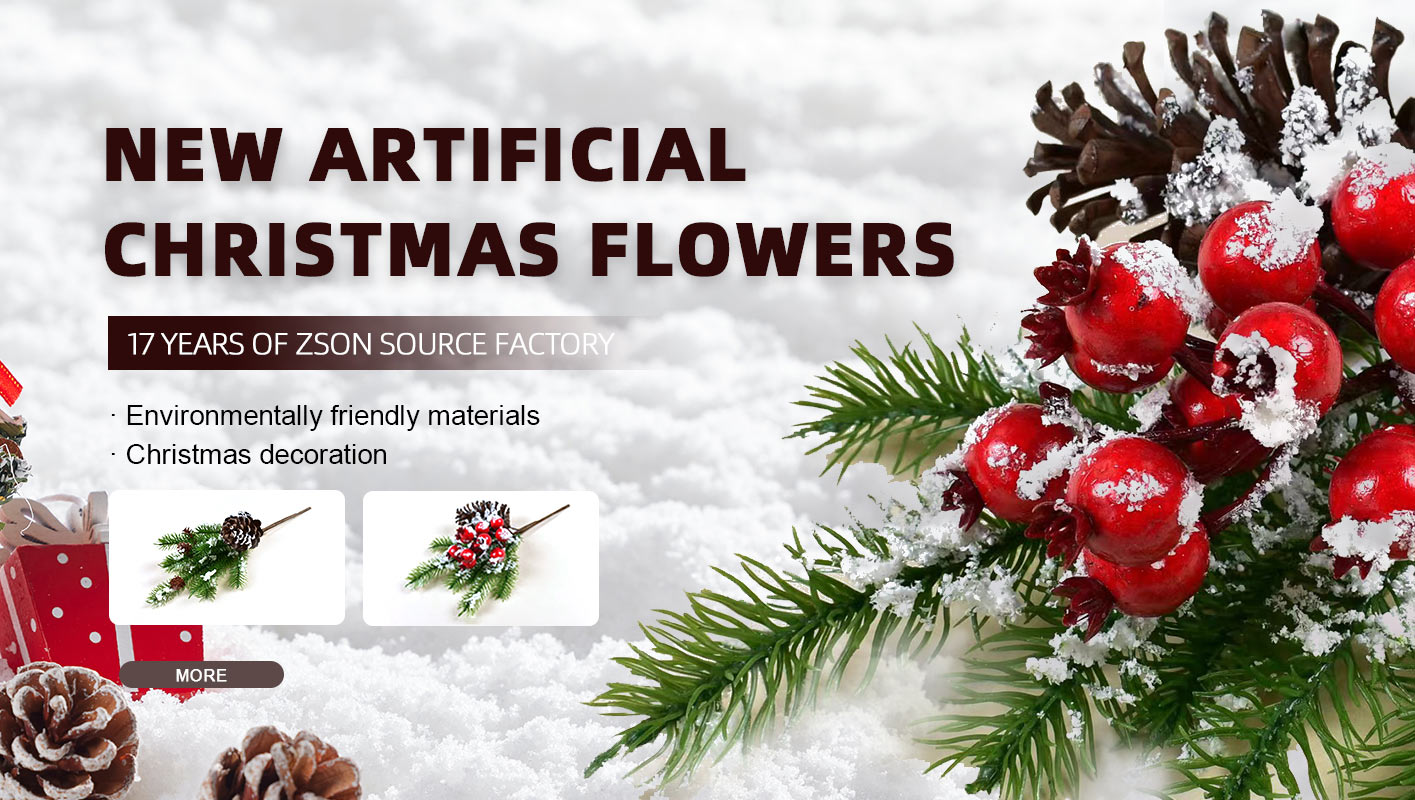
Our artificial flower collection includes Faux Flower Stems, artificial bouquets, wreaths, berry branches, Fall Stems, pinecone decorations, and Christmas floral products.
Each category may require a different combination of materials and assembly methods. A bouquet needs balanced stem arrangement, while a wreath requires secure attachment to a base frame. Berry branches need stable fruit fixing, and seasonal products may require special color or decorative treatment.
The factory has focused on artificial floral craftsmanship since 1997 and now operates in a production space exceeding 4000 square meters.
The production team includes designers and skilled craftsmen who handle:
Product structure development
Material selection
Color matching
Component assembly
Stem shaping
Wreath construction
Final inspection
Packing and delivery
A Wholesale Supplier of faux flowers should be able to maintain consistent appearance across repeated shipments. This is particularly important for retailers that need the same product for multiple stores.
Yes. An OEM ODM Manufacturer of artificial flowers can support custom materials, flower styles, colors, stem lengths, bouquet structures, seasonal combinations, and packaging.
Customization may be suitable for:
Home décor brands
Floral wholesalers
Gift shops
Supermarkets
Event suppliers
Hotels
Interior design companies
The buyer should provide reference images, dimensions, material expectations, target price, and estimated order quantity.
Use “artificial flowers” when discussing the general product category. Use “faux flowers” for home décor or retail styling language. Use “silk flowers” when the product specifically requires fabric petals or a silk-like visual effect.
Provide the preferred product term, flower style, material, color, dimensions, application, seasonal requirements, packaging method, and quantity through the inquiry page. Technical details can be confirmed before sampling and bulk production.